AI Rollouts Are Failing the Same Way Agile Rollouts Failed
The tools show up, the way of working never changes, and six months later nobody uses them. I watched this movie for years as an agile coach. We're rerunning it with AI — and the fix is the same.
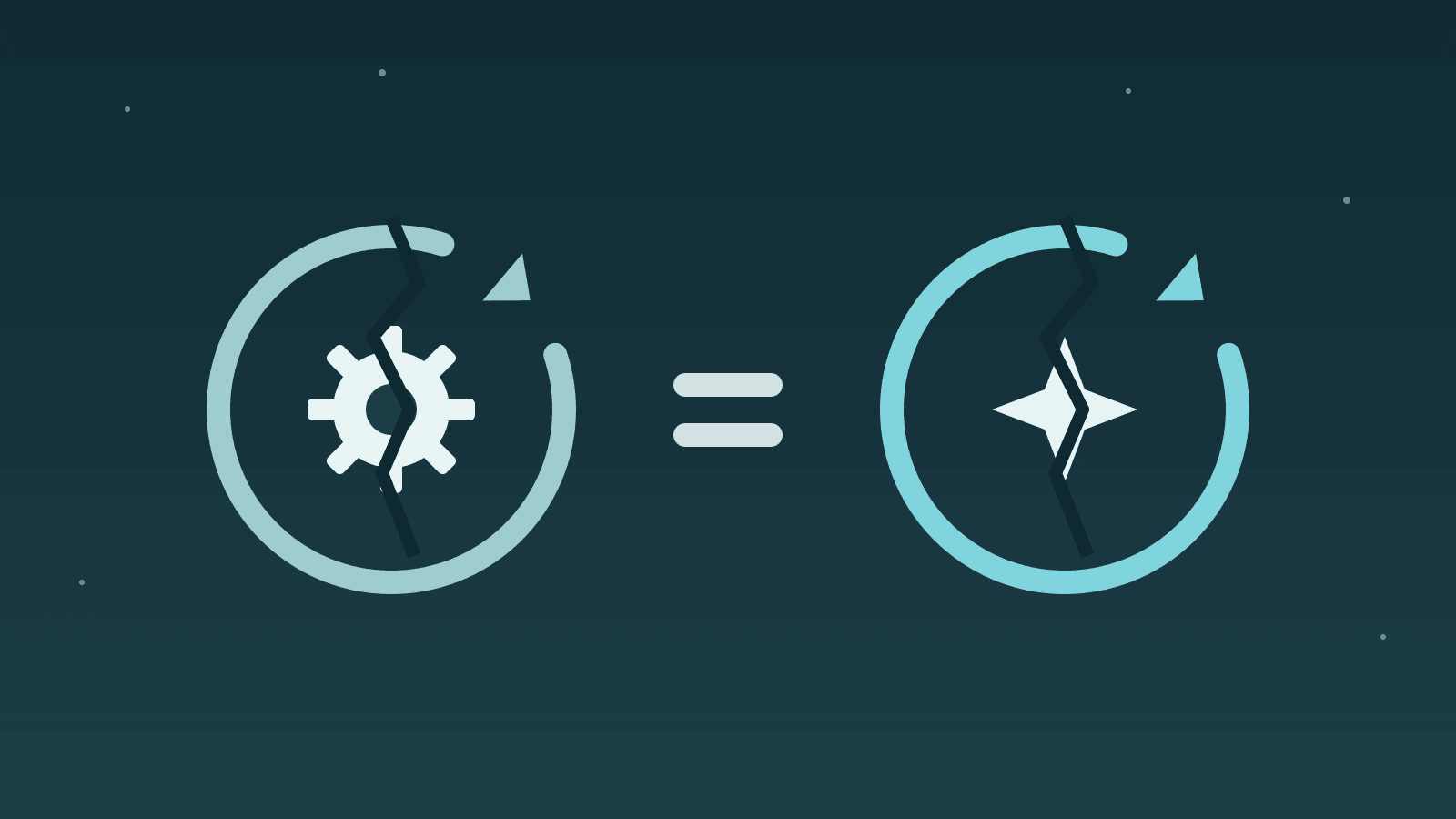
Before I did AI work, I spent years as an agile coach. Which means I spent years watching a very specific movie:
An organization decides it needs to transform. It buys the tooling. It renames its meetings — status becomes standup, planning becomes sprint planning. It sends everyone to a two-day training. Leadership announces the new era.
And then... nothing changes. The same people make the same decisions on the same timelines. The standups are status meetings with worse posture. Eighteen months later someone says "we tried agile, it didn't work here," and they're not wrong — except that nothing was actually tried.
I'm now watching the exact same movie with AI, on a faster clock.
The pattern, transplanted
Swap the props and it's frame-for-frame identical:
- Tool-first thinking. Then: buy Jira, be agile. Now: buy Copilot licenses, be AI-powered. The purchase feels like progress because it's visible and easy. It's also the smallest part of the change.
- Training that teaches the tool, not the work. Then: two days of Scrum vocabulary. Now: a lunch-and-learn of prompt tips. Both are impressive for a day and forgotten in a month, because neither touches anyone's actual Tuesday.
- No protected time. New ways of working are slower before they're faster — that's what learning is. Teams under undiminished delivery pressure will rationally revert to the old way, every time, in both eras.
- Unspoken fear. Agile came with "is this about doing more with fewer people?" AI asks the same question with less subtlety. If leadership doesn't answer it out loud, people answer it themselves — and then quietly opt out.
The research backs up what I see in rooms: most AI initiatives aren't delivering the returns their buyers expected. That's not because the models are weak. It's because installing technology on top of an unchanged process has never once worked, and we keep being surprised.
What the successes had in common
Some agile adoptions did stick. I got to see those up close too, and they shared a shape — the same shape I now see in AI rollouts that actually change anything:
- They changed the process, then added the tools. The successful teams redesigned how work flowed first; tooling served the design instead of substituting for it. With AI: map where the hours actually go, delete what shouldn't exist, then automate what's left.
- They trained on real work. People learned by running their own project the new way — not a case study, theirs. AI training that sticks looks identical: each person leaves having done their actual job with AI in the loop.
- Leadership said what it was for, and meant it. The goal — better delivery, less busywork, not headcount theater — was explicit, repeated, and matched by behavior. Trust is an adoption prerequisite, not a nice-to-have.
- Somebody owned it after launch. Transformations decay without an owner. The teams that stuck assigned one — not a committee, a person — for the months after the announcement excitement faded.
The one advantage we have this time
Here's the difference that makes me more optimistic about AI than I ever was about capital-A Agile: the payoff arrives faster. An agile transformation asks for months of faith before delivery improves. An AI-drafted status report saves hours the first week. Early, visible wins buy patience for the deeper process change — if you sequence the rollout to produce them.
So start with the win that shows up fastest for your team, and use the credibility it earns to fund the harder changes. That sequencing — quick wins first, deep redesign second, habits third — is most of what separates the rollouts that stick from the ones that become next year's "we tried AI."
I've written the full method up in the complete guide to AI-driven project management. And if this movie is currently playing at your organization and you'd like to change the ending, let's talk.
Free: AI Readiness Checklist
Find out if your business is ready for AI automation. 10 questions, 2 minutes.